
The journey of a meal

About 30 feet, start to finish

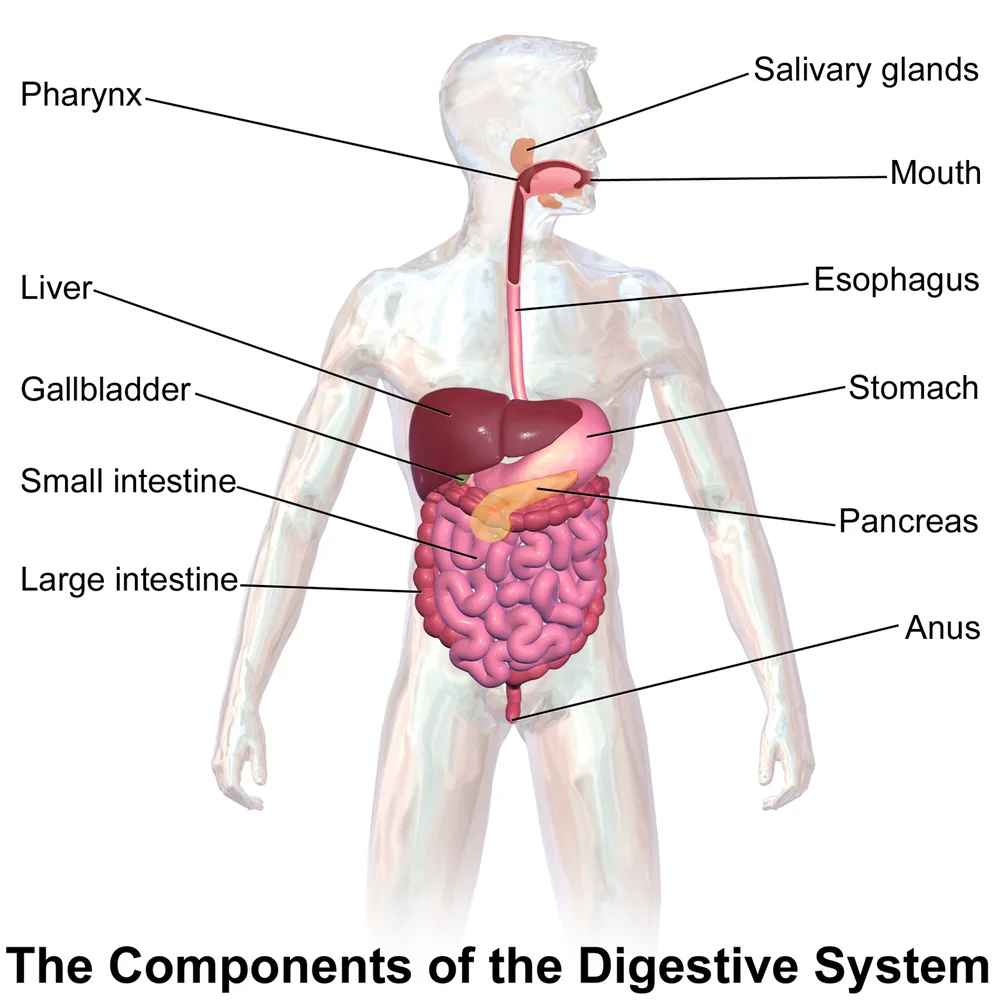
Your digestive tract is one long, continuous passage. Each stop has its own job.

  • Mouth
  • Esophagus
  • Stomach
  • Small intestine
  • Large intestine
Labeled medical illustration of the human digestive system: mouth, esophagus, stomach, liver, pancreas, small and large intestine
BruceBlaus / Blausen Medical · source · CC BY 3.0
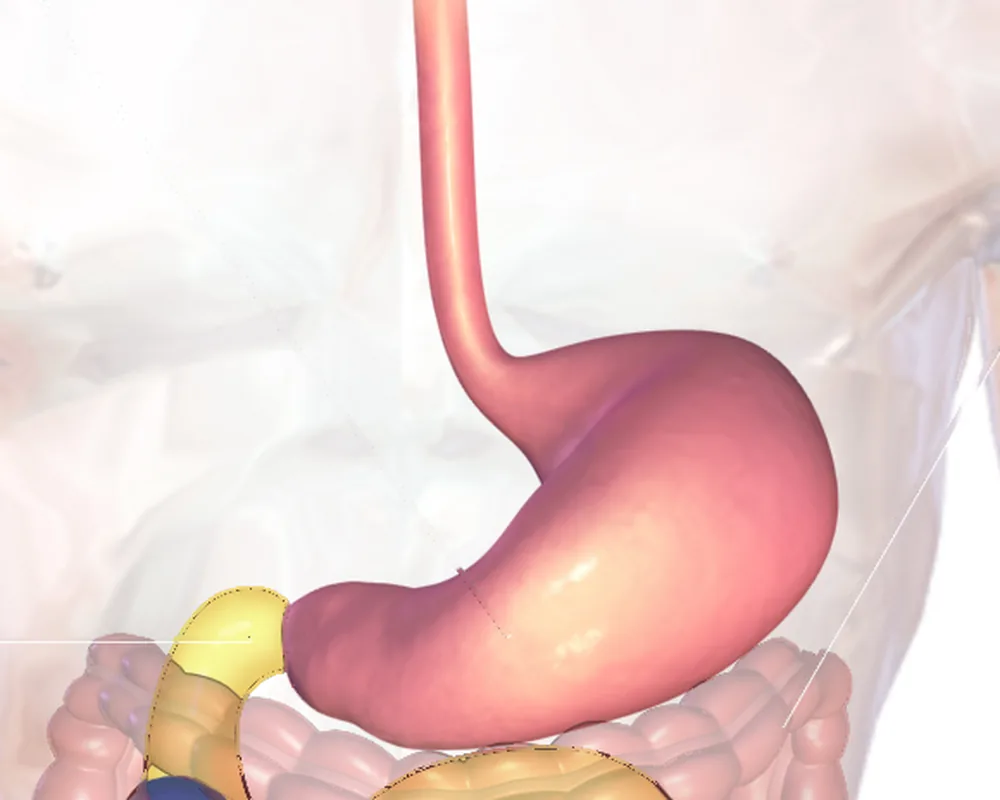
Realistic medical illustration of the esophagus leading down into the J-shaped stomach
BruceBlaus / Blausen Medical (cropped, labels removed) · source · CC BY 3.0

01 · A muscular mixing chamber

The stomach

After you swallow, food travels down the esophagus into the stomach — a stretchy, J-shaped muscular organ in the upper abdomen. Its walls contract in rhythmic waves to churn and mix food with gastric juices.

Those juices include acid and the enzyme pepsin, which begins breaking proteins into smaller pieces. Over a few hours, a meal is turned into a thick liquid called chyme, which the stomach releases a little at a time into the small intestine.

  • Holds and mixes food after a meal
  • Begins protein digestion with pepsin
  • Releases chyme gradually into the small intestine
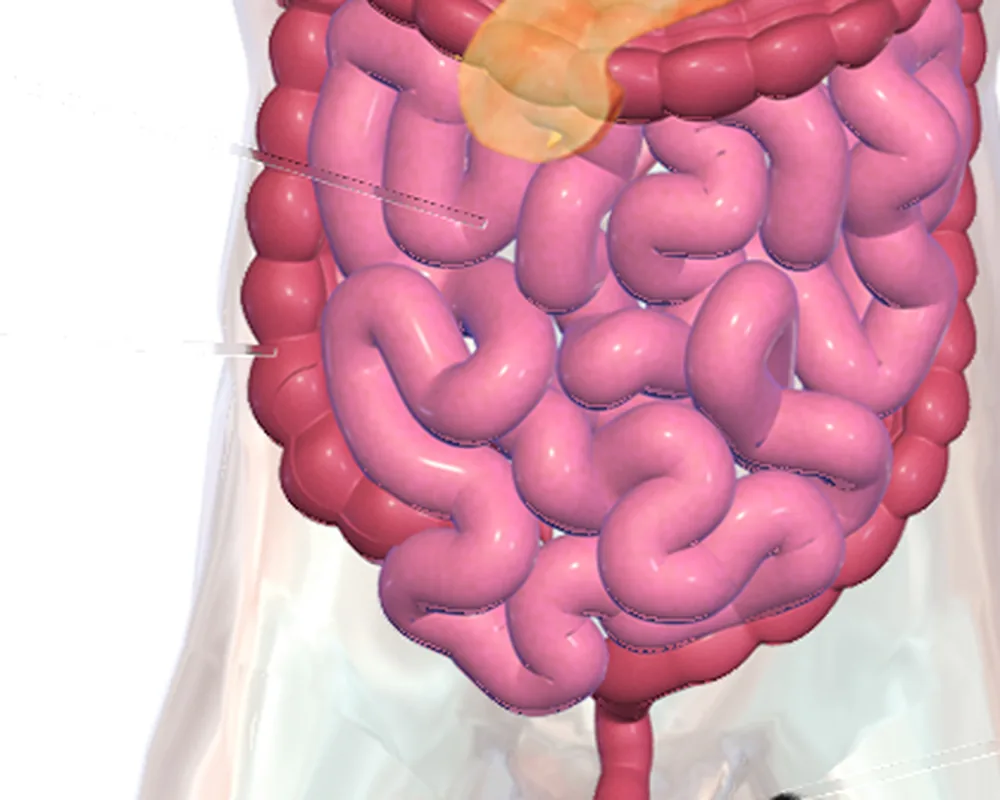
Realistic medical illustration of the coiled small intestine framed by the large intestine
BruceBlaus / Blausen Medical (cropped, labels removed) · source · CC BY 3.0

02 · Where most nutrients are absorbed

The small intestine

The small intestine is a narrow, coiled tube about 20 feet long, with three parts: the duodenum, jejunum and ileum. In the duodenum, enzymes from the pancreas and bile from the liver (stored in the gallbladder) join the process to break down carbohydrates, proteins and fats.

As chyme moves along through gentle muscular waves called peristalsis, the broken-down nutrients — sugars, amino acids, fatty acids, vitamins and minerals — pass through the intestinal wall into the bloodstream.

  • Pancreatic enzymes + bile complete digestion
  • Absorbs the majority of nutrients
  • Moves contents along by peristalsis
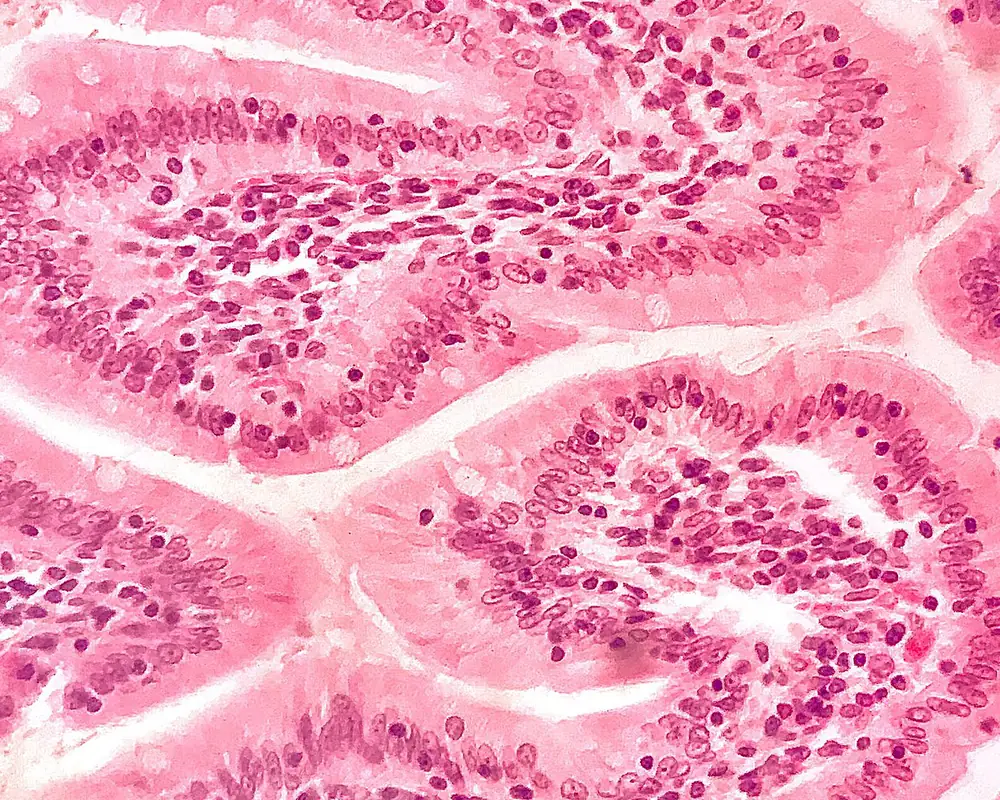
Microscope view of finger-like intestinal villi in soft pink stained tissue
Jamil Baza (cropped) · source · CC BY 4.0

03 · A smart, self-renewing surface

The gut lining

The inside of the small intestine is not smooth. It is folded and covered in millions of tiny finger-like projections called villi, which are themselves covered in even smaller microvilli. Together they create an enormous surface area for absorbing nutrients.

This lining is just one cell thick, protected by a layer of mucus, and its cells are held together by “tight junctions” that help decide what passes through. The lining renews itself every few days — one of the fastest-renewing tissues in the body.

  • Villi and microvilli maximize surface area
  • One cell thick, sealed by tight junctions
  • Renews itself every few days
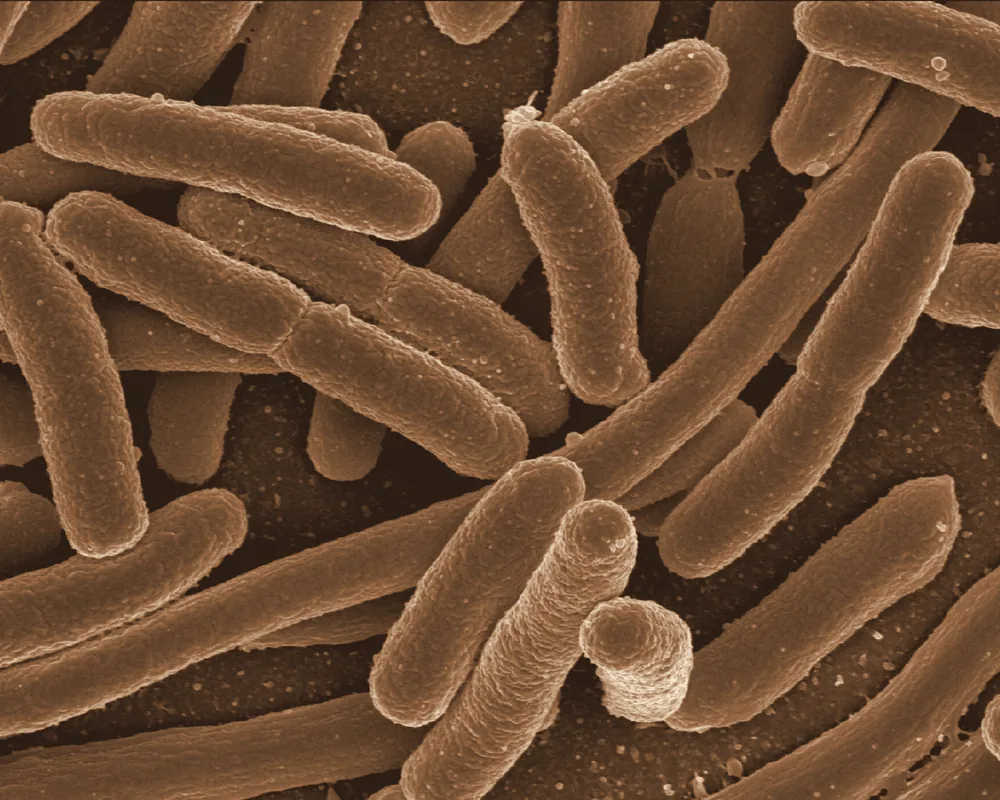
Electron microscope image of rod-shaped bacteria of the kind that live in the gut, warm-toned
NIAID (warm-toned, cropped) · source · Public domain

04 · Trillions of tiny neighbors

The microbiome

Your gut is home to trillions of microorganisms — bacteria, yeasts and other microbes — most of them living in the large intestine. Together they are known as the gut microbiome, and every person’s is unique.

These microbes help break down dietary fibers your own enzymes cannot, producing short-chain fatty acids that nourish the cells of the colon, and they help make certain vitamins, such as vitamin K. A varied diet rich in fiber from plants is one of the best-known ways to nourish a diverse microbiome.

  • Mostly lives in the large intestine
  • Ferments fiber into short-chain fatty acids
  • Thrives on a varied, plant-rich diet

Everyday habits

Simple ways to support healthy digestion*

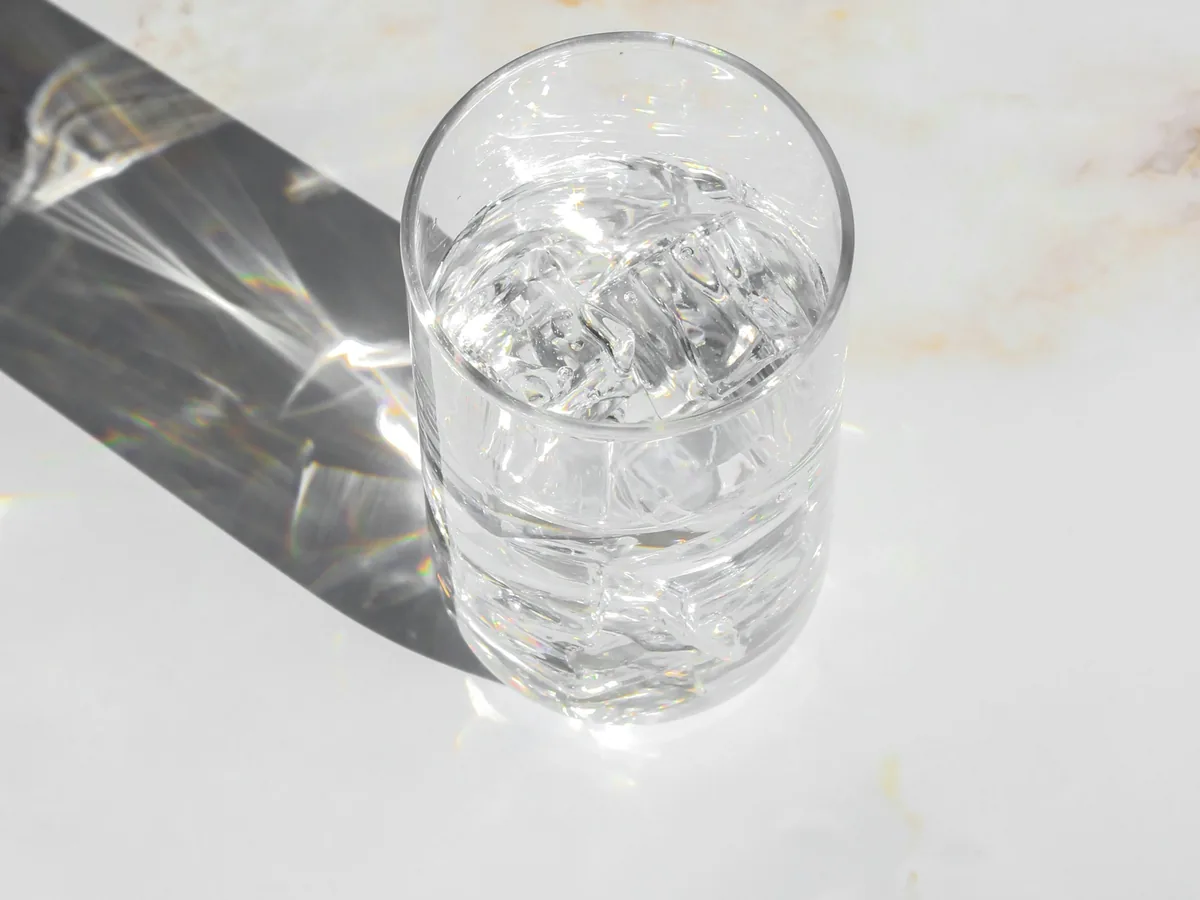
A glass of water on marble

Hydrate

Water helps move food along and keeps things comfortable.

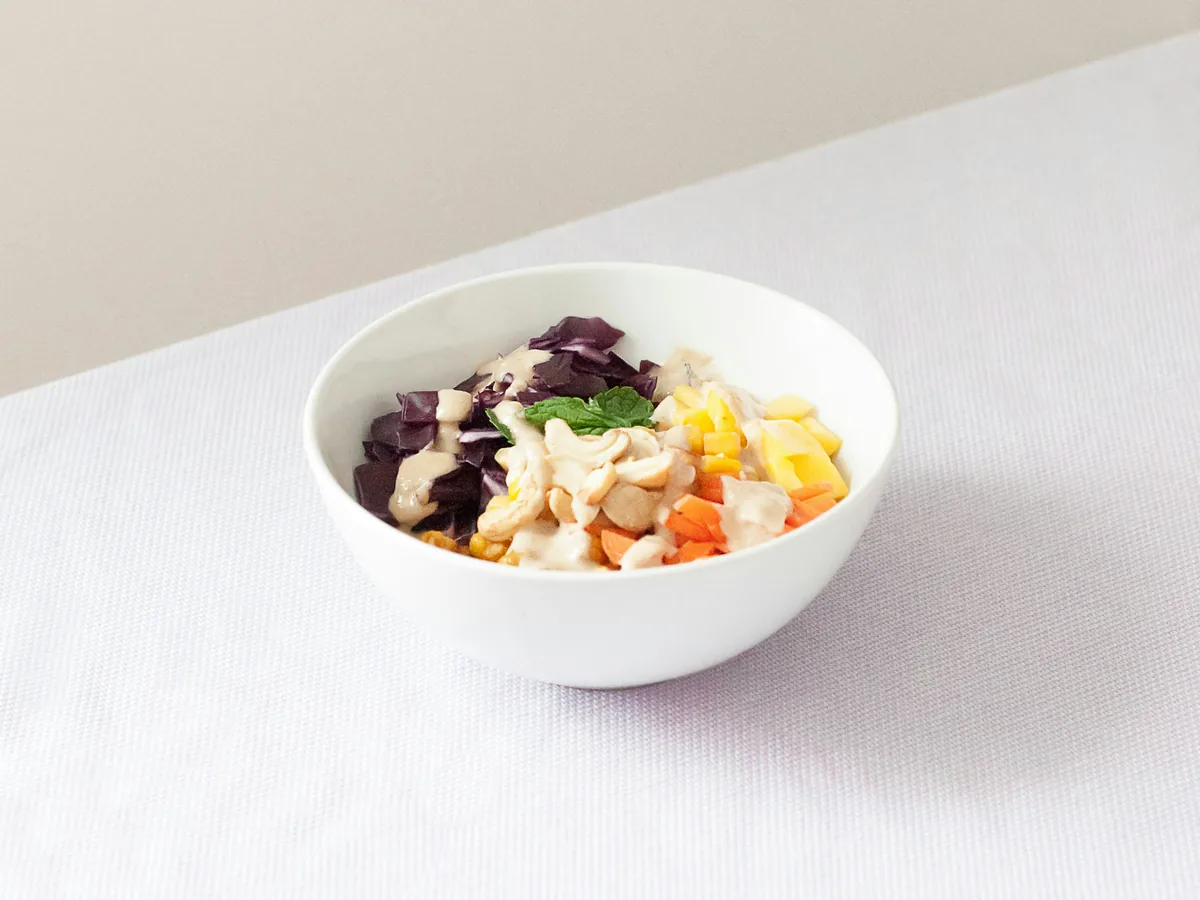
A fresh, colourful bowl

Eat your plants

Fiber from vegetables, fruits, legumes and whole grains feeds your microbiome.

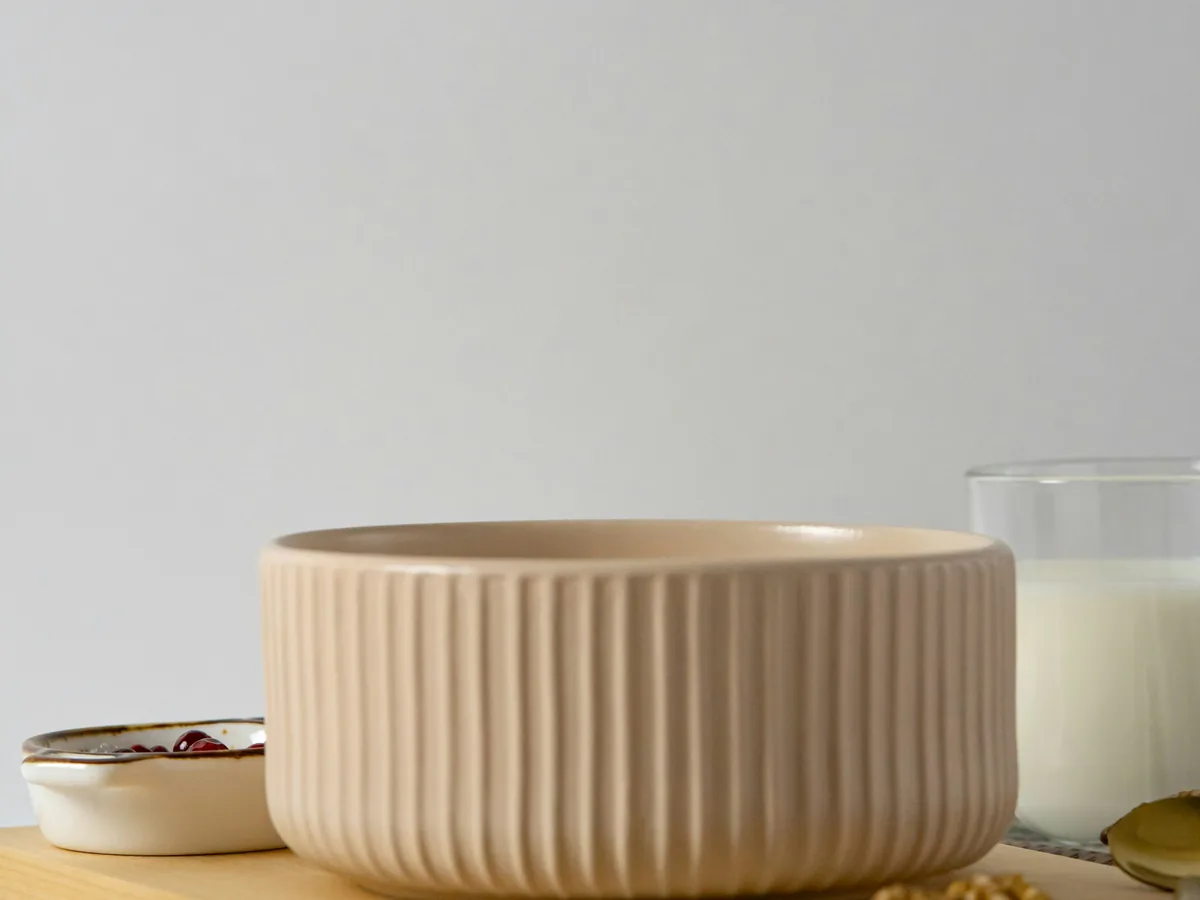
A ceramic bowl and a glass of milk

Slow down

Chewing well and eating mindfully gives digestion a head start.

A walk by the sea

Keep a rhythm

Regular meals, movement and sleep support a steady routine.

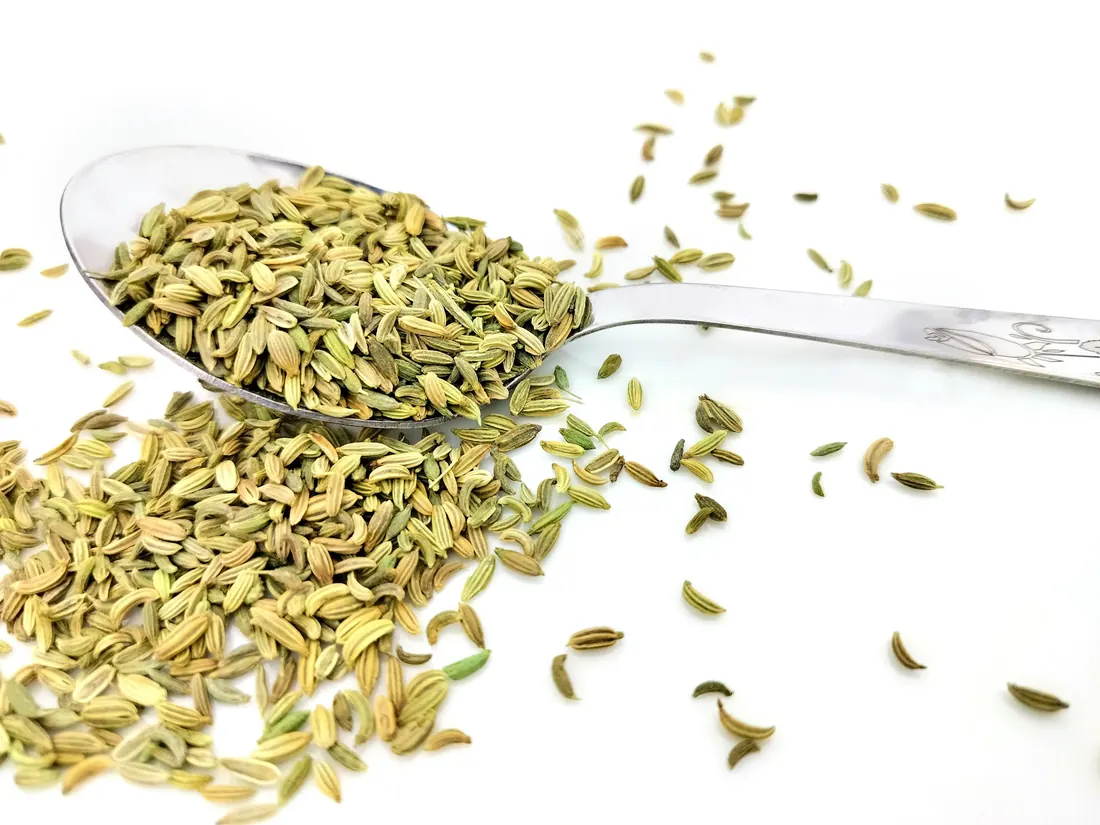
Fennel seeds spilling from a spoon

Where LIVASSA fits

Herbal traditions for the modern routine

For centuries, cultures around the world have paired meals with bitter herbs and warming spices — think after-dinner fennel seeds, digestive bitters and spiced teas. LIVASSA brings 18 of these traditional botanicals together in one daily softgel, formulated to support healthy digestion.*

LIVASSA is a dietary supplement, not a substitute for a varied diet and healthy lifestyle. If you have ongoing digestive concerns, please talk to your doctor.

Sources & further reading

This page is for general educational purposes only and is not medical advice. *These statements have not been evaluated by the Food and Drug Administration. This product is not intended to diagnose, treat, cure, or prevent any disease.

300 vegan softgels
100 servings
Shop on Amazon (opens Amazon in a new tab)